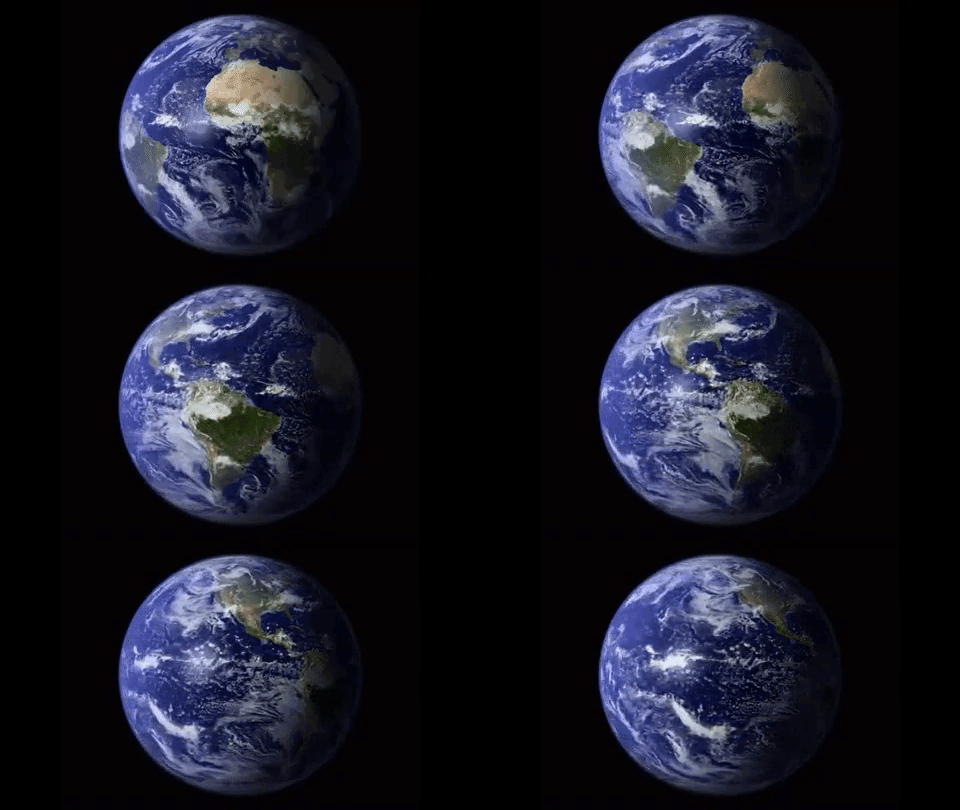
As The World Turns, Societies Continue to Evolve
Welcome to the Thinker in Modern Times
– The Thinkers Imprint –

Seeing clearly in a world that won’t slow down
Have you noticed how Modern life is eroding the quality of life in ways most people no longer register?
The question is whether you’ve noticed—or whether the erosion has already become normal.
Clarify Your Perspective – Think Deeply – Act Wisely
Latest Post
The Consequential Failure to Acknowledge Limits
Modern socio‑economic systems are engineered structures, not natural phenomena. Those who design and control these systems — the elites — position themselves closest to the mechanisms of credit creation, asset inflation, and policy advantage. Their proximity to power ensures they benefit most from the way money, debt, and growth are organized.
Beneath them is a broad class of participants who profit from the system when they can: investors, homeowners, market speculators, consumers of debt‑financed goods, and recipients of government transfers. These are the haves — individuals whose financial lives depend on rising asset prices, expanding credit, and the assumption that economic growth can continue indefinitely.
Yet both groups increasingly voice the same complaints as the have‑nots: rising costs, social instability, institutional strain. They protest the symptoms of a system they rely on, while ignoring the structural reality beneath it — that modern prosperity is built on perpetual debt expansion, and perpetual expansion has limits.
When a society built on the promise of “more” finally collides with the boundary of “enough,” the consequences are not evenly distributed. They cascade through every layer of the hierarchy.
This collision — and its implications for modern economies, social stability, and the architecture of growth — is the subject of the essay:
→ Read the full essay: (Click here) >The Consequential Failure to Acknowledge Limits
Latest Posts: Newest on top
(Click)>The Books That Nobody Wants to Read
(Click)> Wake UP!
(Click) >The Inconvenience We Shun
(Click) >The Common Good and The Quality of Life
(Click) >Multitasking, Discontinuity, and the Distortion of Time